Hazmieh, Lebanon
EmpoweerNEET
Pledged
Backers
Days Left
Goal:$0.00
EmpoweerNEET supports 50 young people in Lebanon to explore social entrepreneurship and develop social enterprise ideas that address local community challenges.
26 Campaigns / 0 Backers
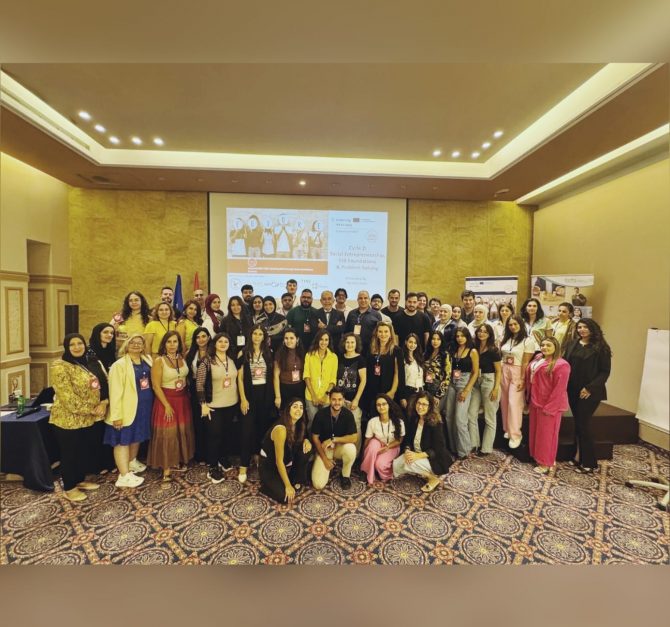
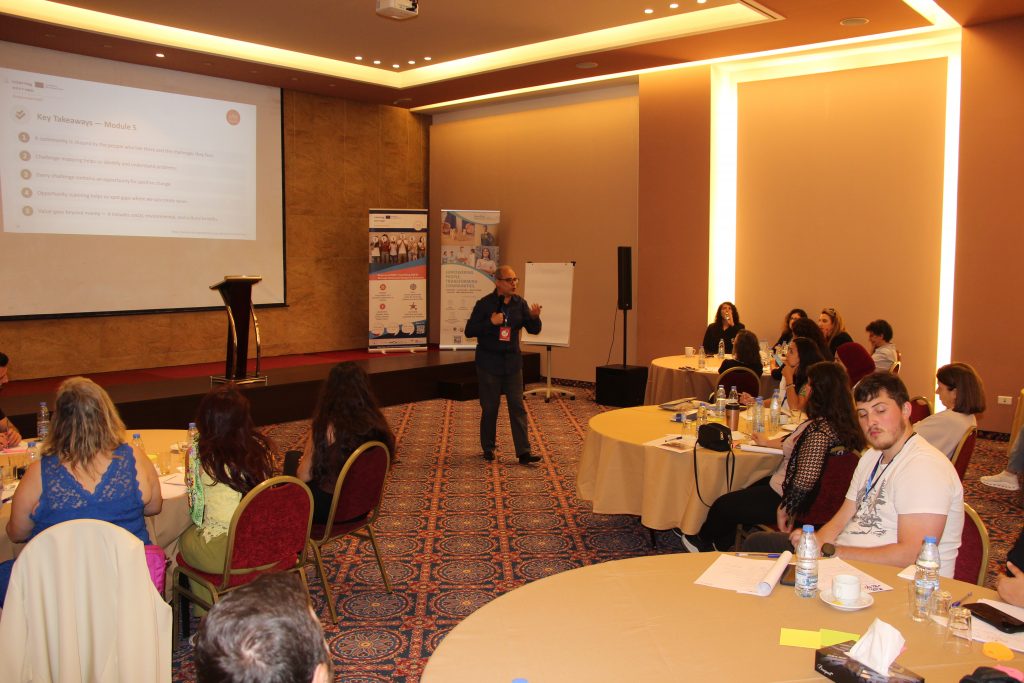
EmpoweerNEET supports young people in Lebanon to develop social enterprise ideas that respond to local community challenges. Business Consultancy and Training Services (BCTS) delivered the training from 27 July to 5 August 2026.
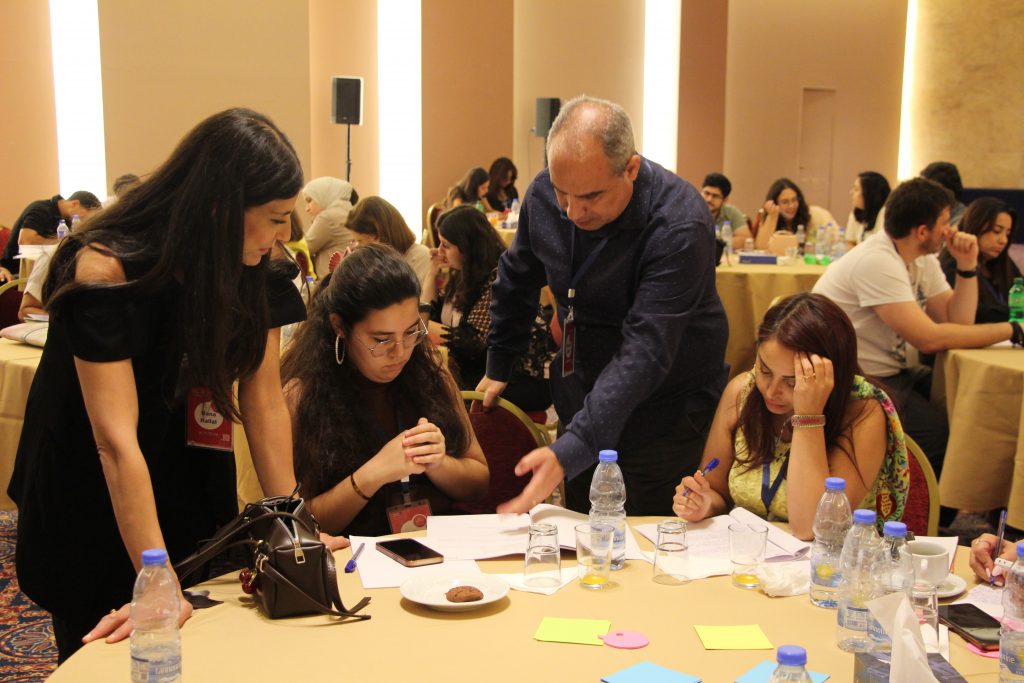
The programme brought together 50 young people who are Not in Employment, Education, or Training (NEETs). The sessions focused on social entrepreneurship, the Social and Solidarity Economy, and ways to address local community challenges.
The training built on the skills introduced during the first training stage. It helped participants look at challenges in their communities and explore possible solutions.
Participants learned about the Social and Solidarity Economy (SSE). This approach puts people, communities, and social value at the centre of economic activity.
During the sessions, participants explored the main principles of SSE. These included solidarity, participation, social purpose, and community value.
They also learned about different types of SSE organisations. These included cooperatives, associations, foundations, mutual organisations, and social enterprises.
In addition, participants discussed how businesses can create both economic and social value. They also looked at how social entrepreneurship can support young people, local communities, and sustainable development.
The training also focused on how to identify and understand community problems.
Participants mapped challenges in their local communities. They looked at who is affected, why the problem exists, and what resources are available.
They also learned how to look beyond the visible signs of a problem. For this purpose, the trainers introduced the 5 Whys technique. The method helps users ask a series of questions to find the main cause of a problem.
As a result, participants learned to understand a challenge before proposing a solution. This helped them develop ideas that respond to real community needs.
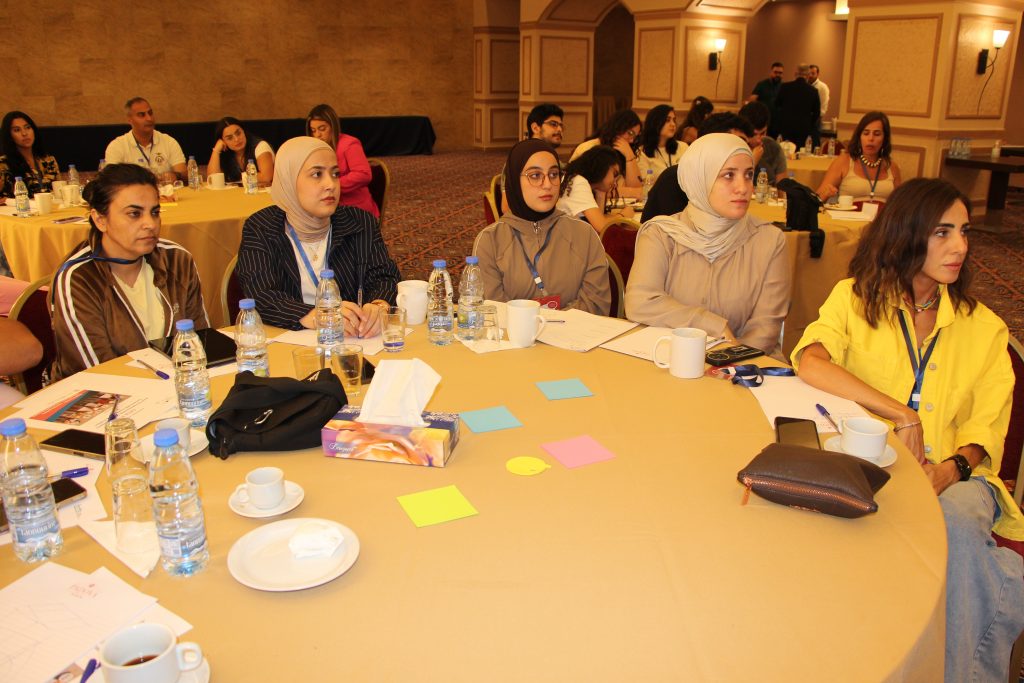
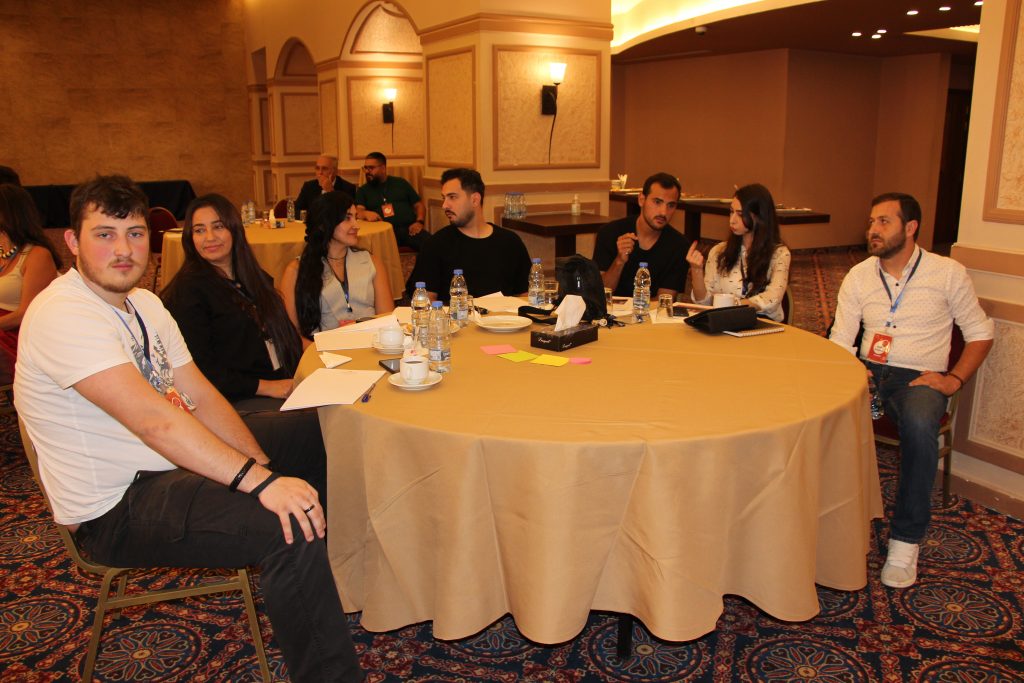
The training used a mix of in-person and online sessions. It included group work, discussions, case studies, brainstorming, and practical exercises.
Participants also worked in pairs and small groups. They shared ideas and received feedback from their peers and trainers.
The online sessions included breakout rooms and chat activities. These tools gave participants more opportunities to discuss their ideas and learn from each other.
Moreover, the practical approach helped participants connect the training content with challenges in their own communities. According to the training report, participants responded positively to the practical exercises and local examples.
One of the main outputs of the training was a Problem Statement and Early Solution Concept.
Participants followed four simple steps:
By the end of the training, 45 out of 50 participants had completed the output. This represents 90% of the group.
The results show clear progress among the participants. Most of them identified local challenges and the people affected by them. They also suggested early ideas for possible solutions.
In addition, participants improved their understanding of social entrepreneurship, the Social and Solidarity Economy, and problem-solving.
The training forms part of Cycle 2 of the EmpoweerNEET programme. It builds on the professional and employability skills developed during Cycle 1.
The ideas developed during this stage will support the next part of the programme. Participants will have the opportunity to review their ideas and explore their feasibility.
They will also look at how their ideas can create value for their communities. Therefore, the training provides a practical link between identifying a problem and developing a possible solution.
EmpoweerNEET brings together partners from Lebanon, Palestine, Spain, Greece, Tunisia, and France.
The project supports young people and women in developing employability and entrepreneurial skills. It also promotes social innovation, sustainable employment, and participation in the Social and Solidarity Economy.
Through training and practical activities, EmpoweerNEET aims to create new opportunities for young people who are Not in Employment, Education, or Training.
The EmpoweerNEET project is co-funded by the European Union through the Interreg NEXT MED Programme.
Copyright BCTS © 2026 All Rights Reserved
Carefully Crafted By We For Media.